
SEND
St. Thomas’ Primary Academy prides itself on being an inclusive mainstream school which aims to include every pupil into all aspects of school life, as well as supporting children to fulfil their God given potential and achieve highly. We truly believe each child is ‘Fearfully and wonderfully made’, and it is our privilege to work in conjunction with pupils and their parents/carers to ensure our students have the opportunity to be the very best they can be.
SEND Coordinator: Mrs K Buggy Deputy SENDCo: Mrs D Cooke
Who can I talk to at St Thomas' about my child's educational needs?
The Class teacher
- Your child’s class teacher should always be your first contact point as they will know your child best.
- They consult with the SEND team for advice on assessments, strategies, provisions and interventions for pupils.
Learning support staff/teaching assistants:
- They work with the class teacher or SEND team to ensure that they know what progress is being made.
- They support pupils in class or in small groups inside and outside of the classroom setting.
- They have appropriate knowledge, training and support.
The SEND team:
- They coordinate the support for children with special educational needs (SEN) and / or disabilities, to ensure that all children receive a consistent, graduated, high quality response to their individual need.
- They work with external agencies who may be coming into the school to help support your child’s learning e.g. Director of SEND and Safeguarding for Three Spires Trust, Speech And Language Therapist, Occupational Therapists, Educational Psychologists.
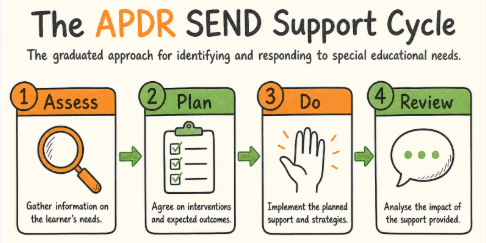
- They support your child’s class teacher to write Learning Plans that specify the targets set for your child to achieve. This forms a APDR cycle. (Assess, Plan, Do, Review)
- They ensure smooth transition from year group to year group within school, from Year 6 to Secondary school and between schools for any mid-year transfers.
What links do school have with external agencies and the Local Authority?
The school has access to a number of agencies and professionals who support the school in promoting achievement for children and young people with SEND. The school receives consultation, advice and guidance from the LA’s Inclusion Services -Educational Psychology Service and SEND services which is outlined in a Service Level Agreement each year. We also benefit from specialist advice from the Three Spires Trust Director of SEND and Safeguarding and are able to utilise the expertise of staff from across the trust.
The school receives additional support, where necessary, from:
- Educational Psychology services
- The Hearing Impairment Service
- Specialists in cognitive and learning disorders
- The Speech and Language Service
- The Visual Impairment Service
- The Physical Impairment service
- Specialists in autistic spectrum disorders eg AIT
- Specialists in social, emotional and mental health difficulties.
- NHS hub
- Behaviour Support
- MHST (Mental Health Support Team)
Types of Special Educational Need
There are four broad areas of special educational need, the SEN Code of Practice defines these as:
Communication and interaction- Children and young people with speech, language and communication needs (SLCN) have difficulty in communicating with others. This may be because they have difficulty saying what they want to, understanding what is being said to them or they do not understand or use social rules of communication. The profile for every child with SLCN is different and their needs may change over time. They may have difficulty with one, some or all of the different aspects of speech, language or social communication at different times of their lives. Children and young people with ASD, including Asperger’s Syndrome and Autism, are likely to have particular difficulties with social interaction. They may also experience difficulties with language, communication and imagination, which can impact on how they relate to others.
Cognition and learning- Support for learning difficulties may be required when children and young people learn at a slower pace than their peers, even with appropriate differentiation. Learning difficulties cover a wide range of needs, including moderate learning difficulties (MLD), severe learning difficulties (SLD), where children are likely to need support in all areas of the curriculum and associated difficulties with mobility and communication, through to profound and multiple learning difficulties (PMLD), where 98 children are likely to have severe and complex learning difficulties as well as a physical disability or sensory impairment. Specific learning difficulties (SpLD), affect one or more specific aspects of learning. This encompasses a range of conditions such as dyslexia, dyscalculia and dyspraxia.
Social, emotional and mental health difficulties- Children and young people may experience a wide range of social and emotional difficulties which manifest themselves in many ways. These may include becoming withdrawn or isolated, as well as displaying challenging, disruptive or disturbing behaviour. These behaviours may reflect underlying mental health difficulties such as anxiety or depression, self-harming, substance misuse, eating disorders or physical symptoms that are medically unexplained. Other children and young people may have disorders such as attention deficit disorder, attention deficit hyperactive disorder or attachment disorder. Schools and colleges should have clear processes to support children and young people, including how they will manage the effect of any disruptive behaviour so it does not adversely affect other pupils.
Sensory and/or physical needs- Some children and young people require special educational provision because they have a disability which prevents or hinders them from making use of the educational facilities generally provided. These difficulties can be age related and may fluctuate over time. Many children and young people with vision impairment (VI), hearing impairment (HI) or a multi-sensory impairment (MSI) will require specialist support and/or equipment to access their learning, or habilitation support. Children and young people with an MSI have a combination of vision and hearing difficulties.
Some children and young people with a physical disability (PD) require additional ongoing support and equipment to access all the opportunities available to their peers.

All staff in school make every effort to cater for our children with a special educational need, but we do have a small team of staff working in school solely to support those with SEND.
What provision is available for pupils with SEND?
Our Haven
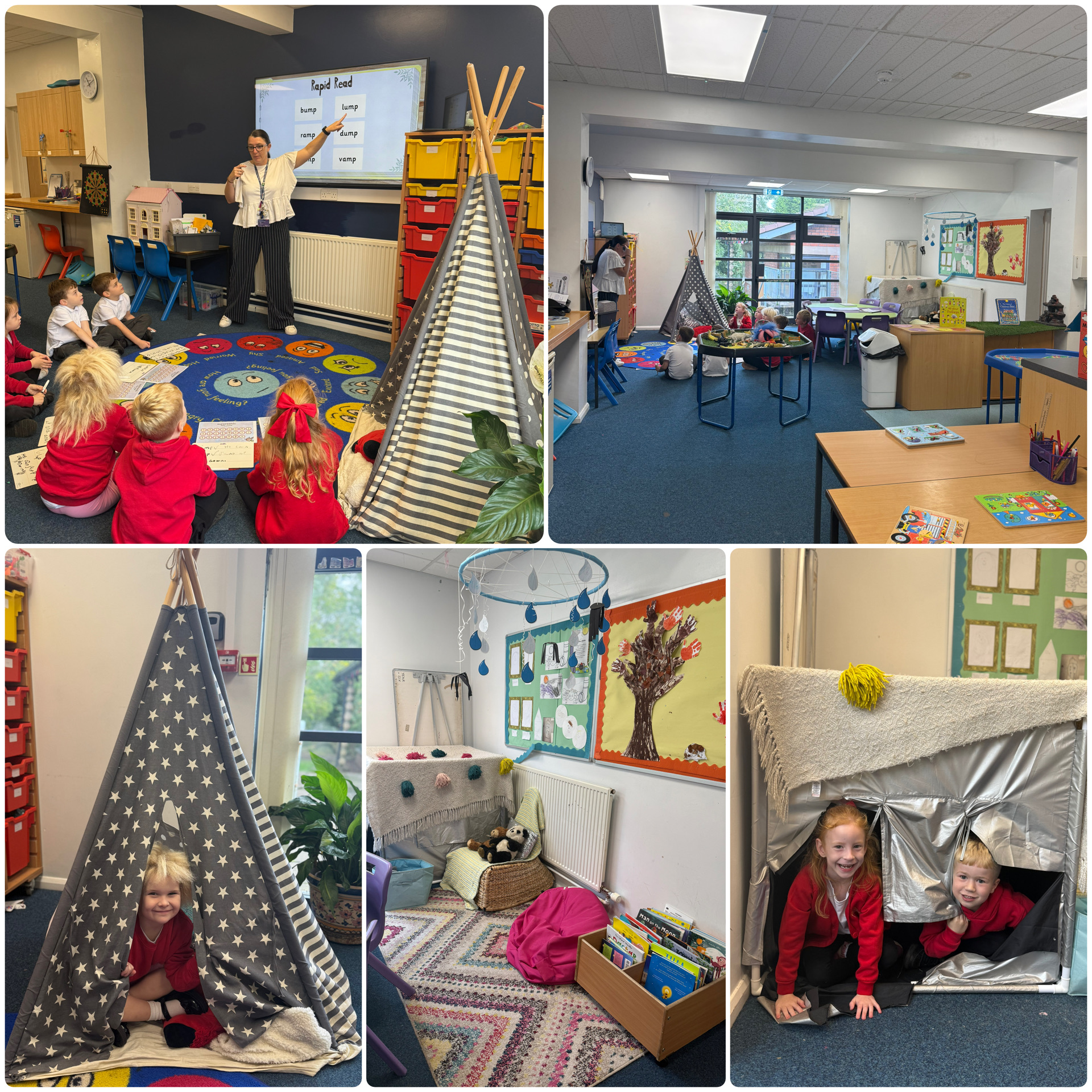
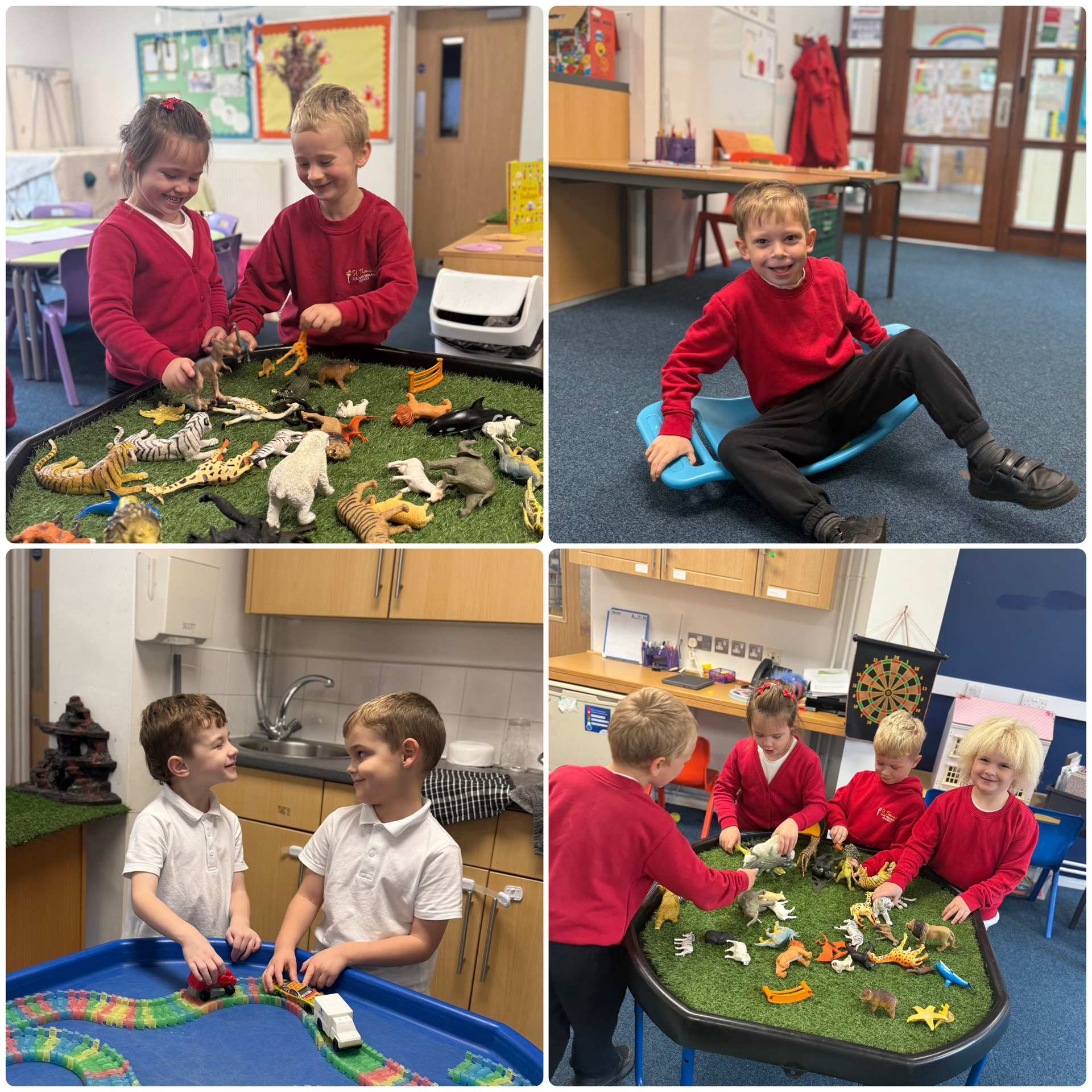
The Haven is our dedicated nurture, intervention and wellbeing space at St Thomas’. It provides a calm, welcoming and supportive environment where children can access additional help when they need it.
A range of targeted interventions take place within The Haven, supporting areas such as emotional regulation, social skills, confidence and self-esteem, wellbeing, communication, behaviour and learning. Children may also access The Haven for morning meet and greets, check-ins and individual or small-group support.
Our Nook
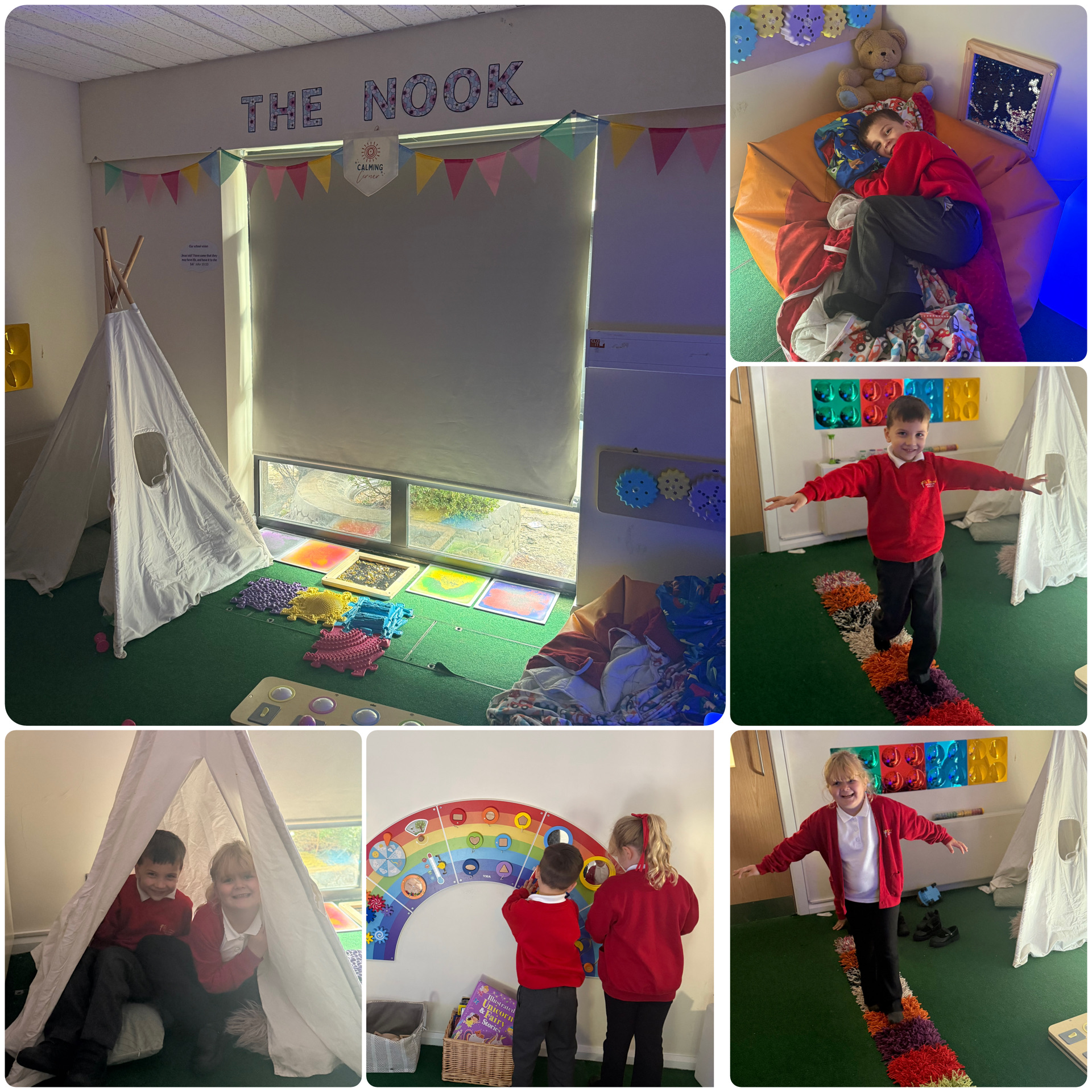
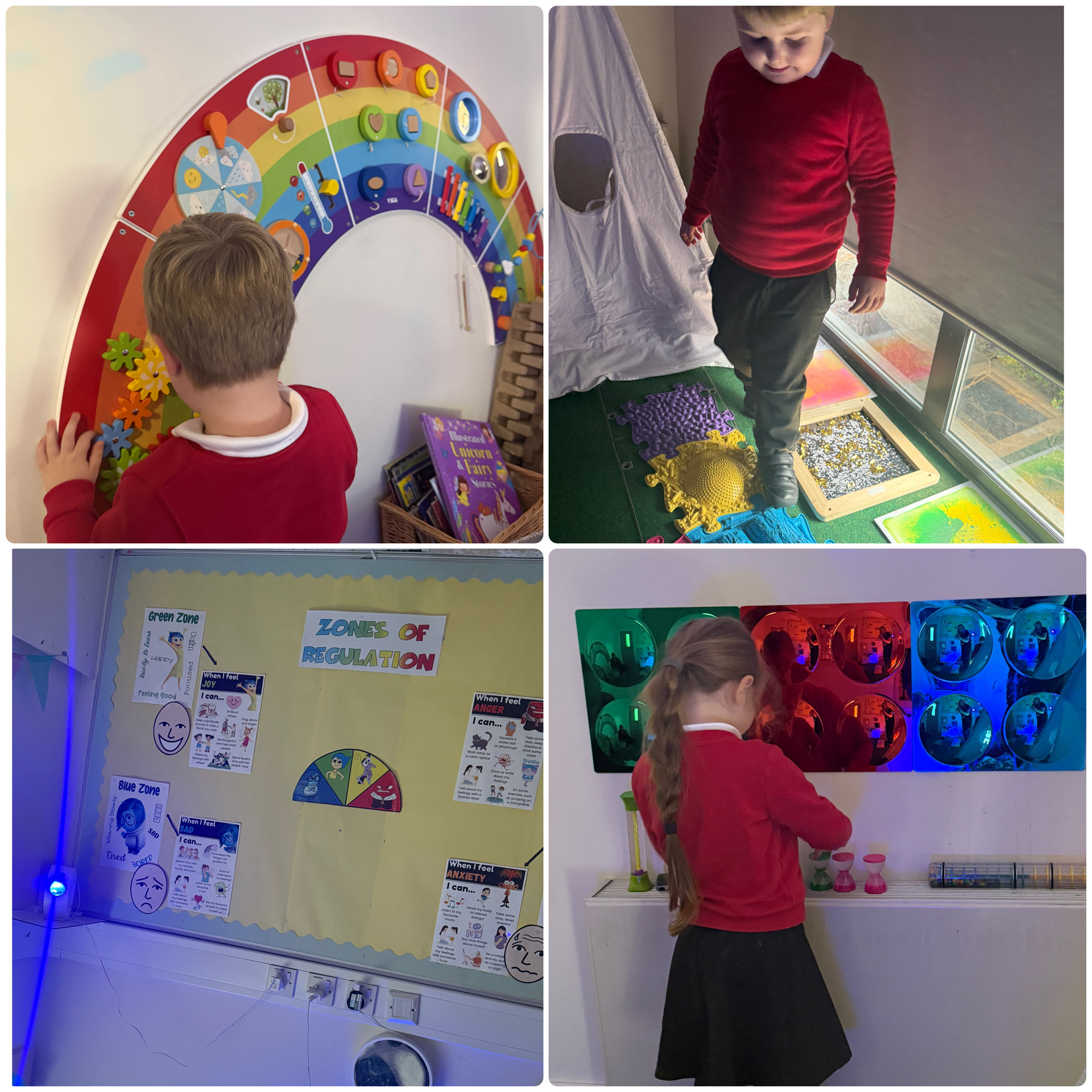
The Nook is our dedicated sensory and regulation space at St Thomas’. It provides a calm, safe and low-stimulation environment for children who may need additional support to manage their sensory and emotional needs.
The Nook contains a range of sensory resources and calming equipment that can help children to regulate, reduce feelings of overwhelm and prepare themselves to return to learning.
In our classes
Teachers are responsible and accountable for the progress of the pupils in their class, including those on the SEND register or where pupils have support from teaching assistants or specialist staff. The first step for pupils who may have SEND is differentiated, high first quality teaching. The school regularly and carefully reviews the quality of teaching for all pupils, including those at risk of underachievement.
All children have an entitlement to a broad and balanced curriculum. Children with SEND are fully included in whole class and cross-curricular activities, which are differentiated to meet their needs and reasonable adjustments are made to ensure that they are included. (Equality Act 2010) A variety of strategies and approaches are used and differentiation may be by task, by outcome, or by the different levels of support offered to the children. We support children in a manner that acknowledges their entitlement to share the same learning experiences as their peers.

Understanding the Acronyms!
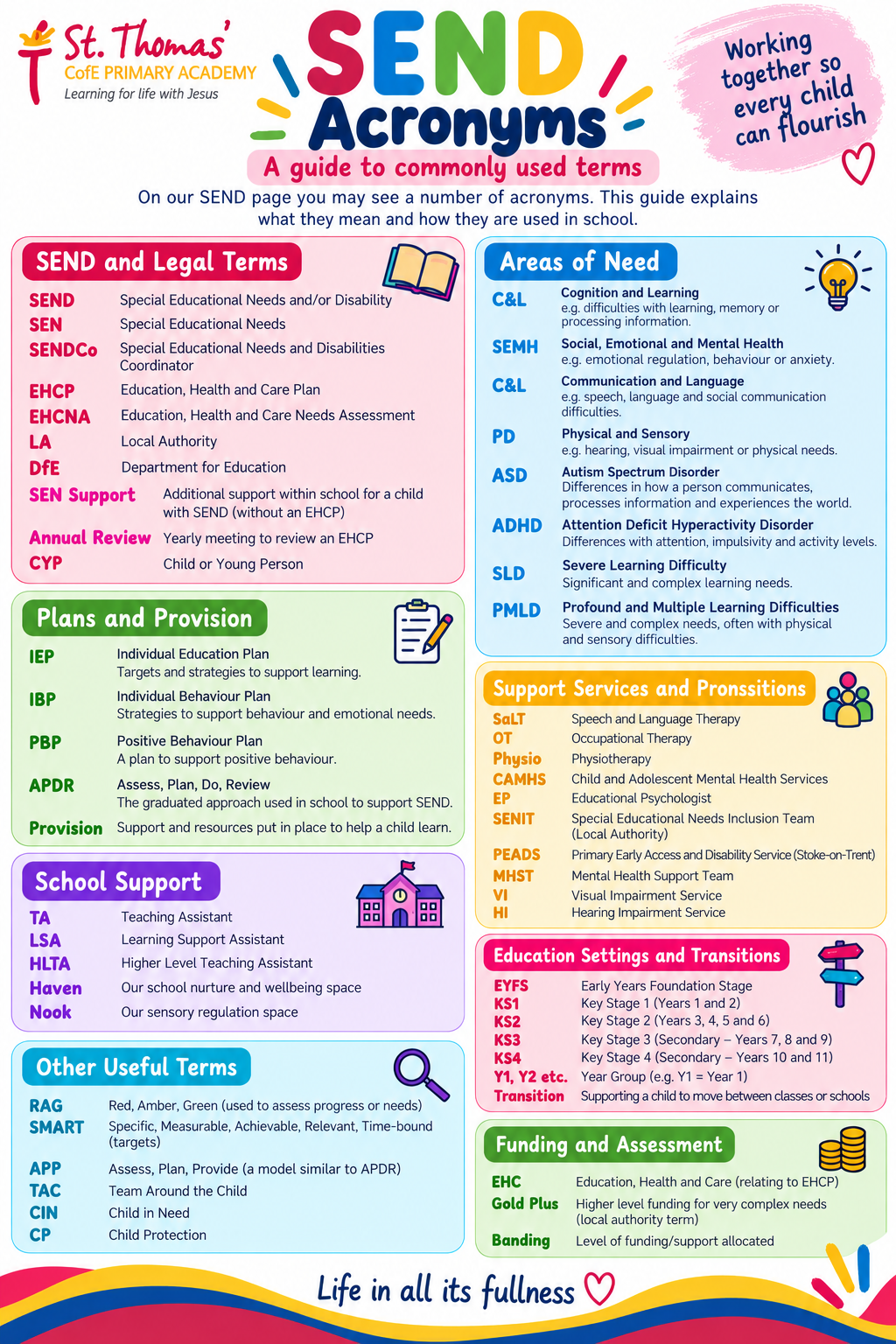
If you wish to talk to someone about your child and SEND, then please speak to their class teacher in the first instance. If you do require a meeting with a member of the SEND team, please contact the school office and they will happily arrange an appointment for you to have a face to face or telephone meeting. Our door is always open!
Further Information:
This website outlines everything that is available within the Local Authority for children with SEND, and for their parents/carers.https://www.staffordshireconnects.info/kb5/staffordshire/directory/localoffer.page?localofferchannel=0
Also, follow the link for SENDIASS (SEND Information, Advice and Support) https://www.staffs-iass.org/home for more advice.
https://staffspcf.co.uk/ SEN forum for parents
SEND regulations 2014 – www.legislation.gov.uk/uksi/2014/1530/contents
SEND Code of Practice - www.gov.uk/government/publications/send-code-of-practice-0-to-25
Equality act 2010- www.legislation.gov.uk/ukpga/2010/15/contents
Children and Families Act 2014 - https://www.legislation.gov.uk/ukpga/2014/6/contents